
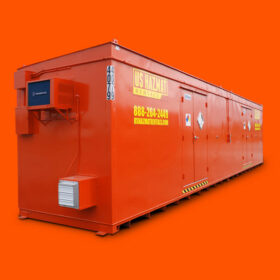
Fire-rated4 HourChemical Storage
FireSAFE 4X
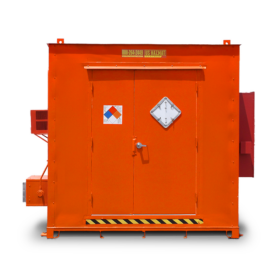
- 4-Hour Fire-Rated
- 8 ft x 40 ft
- 57 Barrels
- 55 Gal Storage Drums
- 228 Square Feet storage
Compliant storage and rental solutions for Hydrazine, Anhydrous (N 2H 4). EPA, OSHA, and NFPA guidance for containment, segregation, and fire protection — with rental buildings matched to this material.
Most hydrazines are manufactured for use as rocket propellants and fuels, boiler water treatments, chemical reactants, medicines, and in cancer research. Hydrazines are highly reactive and easily catch fire. Hydrazine, anhydrous appears as a colorless, fuming oily liquid with an ammonia-like odor.
Eye: May cause irreversible eye injury. Exposure to the vapors or liquid may cause temporary blindness. Causes severe eye irritation and burns. Skin: May be fatal if absorbed through the skin. Prolonged and/or repeated contact may cause irritation and/or dermatitis. May cause skin sensitization, an allergic reaction, which becomes evident upon re-exposure to this material. Contact with liquid is corrosive and causes severe burns and ulceration. Contact with the skin may dissolve hair. Ingestion: Harmful if swallowed. Causes gastrointestinal irritation with nausea, vomiting and diarrhea. May cause liver and kidney damage. Causes digestive tract burns with immediate pain, swelling of the throat, convulsions, and possible coma. Exposure may cause anemia and other blood abnormalities. Inhalation: Harmful if inhaled. Irritation may lead to chemical pneumonitis and pulmonary edema. May cause liver and kidney damage. Causes severe irritation of upper respiratory tract with coughing, burns, breathing difficulty, and possible coma. Vapors may cause dizziness, nausea, itching, burning, and swelling of the eyes. Chronic: Repeated inhalation may cause chronic bronchitis. May cause cancer according to animal studies. Repeated exposure may cause sensitization dermatitis. May cause reproductive and fetal effects
Dry Chemical fire suppression is recommended for Hydrazine, Anhydrous


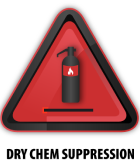
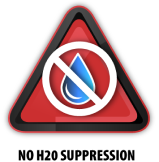
Guidance: Dry Chemical fire suppression is generally recommended for Hydrazine, anhydrous (N 2H 4). *Please consult your raw material manufacturer's safety data sheet (SDS) and your local authority having jurisdiction to verify the most adequate fire suppression extinguisher for your specific storage or use.
Additional extinguishing notes: Small fires: dry chemical, carbon dioxide, water spray or foam. Large fires: water spray, fog, or foam
Always confirm extinguishing agents against the manufacturer SDS and your authority having jurisdiction before specifying a rental building fire-suppression package.
Compliant storage and rental solutions for Hydrazine, anhydrous should account for its listed hazards, climate control needs (ambient), and segregation requirements. Also incompatible with barium oxide or calcium oxide, benzeneseleninic acid or anhydride, calcium, carbon dioxide + stainless steel, 1-chloro-2,4-dinitrobenzene
Review NFPA 30 flammable liquid storage requirements and Fire-rated chemical storage rental when designing fire rating, containment, and building selection.
Properties: Physical State: Liquid Appearance: colorless Odor: strong odor - ammonia-like pH: Not available. Vapor Pressure: 10 mm Hg @ 20 deg C Vapor Density: 1.1 (air=1) Evaporation Rate:Not available. Viscosity: 0.90 Boiling Point: 113 deg C Freezing/Melting Point:1.4 deg C Decomposition Temperature:Not available. Solubility: Soluble. Specific Gravity/Density:1.01 (water=1) Molecular Formula:N2H4 Molecular Weight:32.05
Matched to this chemical
Fire rating, footprint, and containment options from the US Hazmat Rentals fleet — sized for compliant chemical storage.
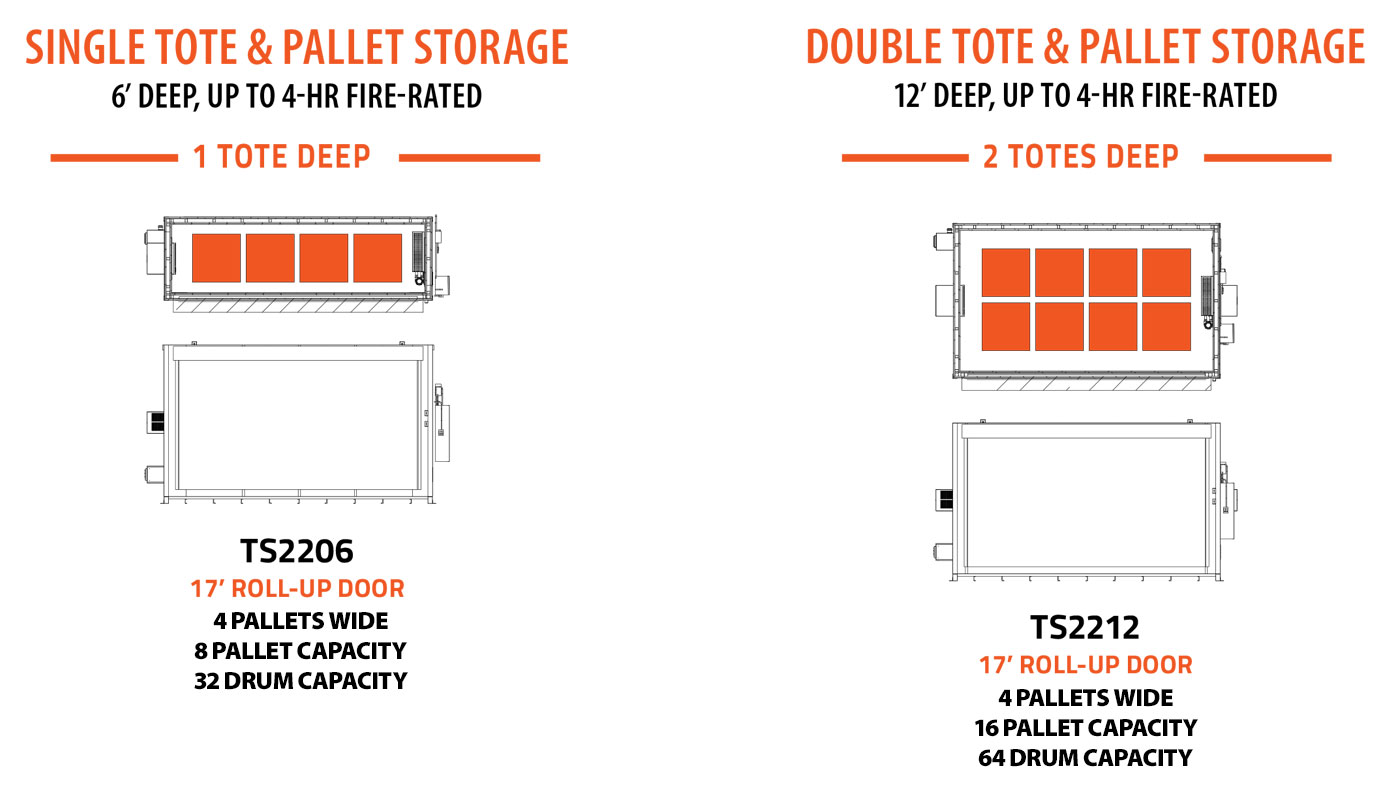
Material handling
US Hazmat Rentals buildings are designed around the primary storage formats teams use in the field — each path opens the matching storage solution on ushazmatrentals.com.
Large-volume tote storage with forklift-ready handling inside compliant buildings.
Explore solution
Drum and pallet-adjacent workflows sized for secondary containment and segregation.
Explore solution
Pallet-in, pallet-out layouts for packaged chemicals and rack-ready inventory.
Explore solution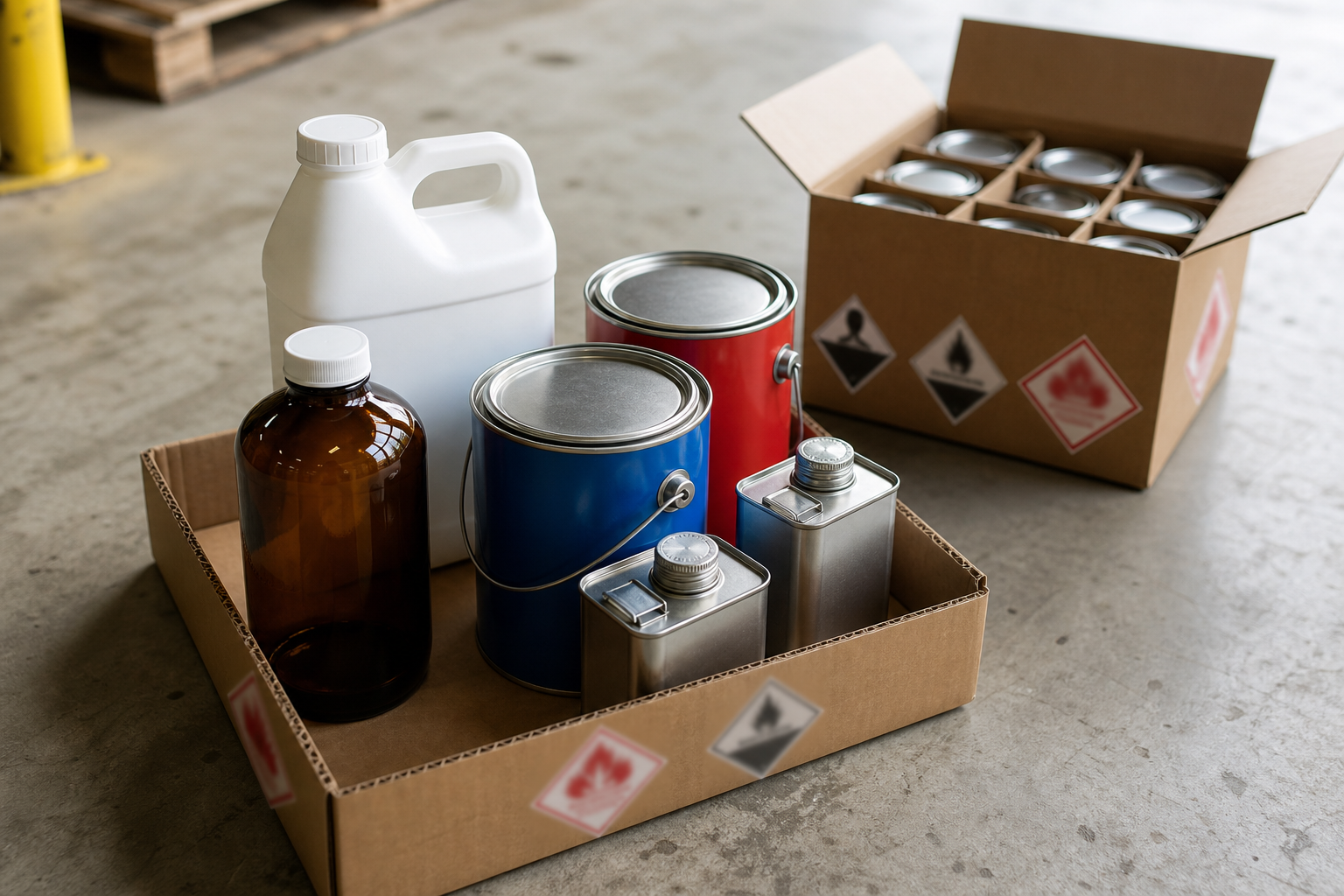
Locker and cabinet-scale storage for cans, jars, and other small-format chemicals.
Explore solutionWe have solutions designed for your workflow process needs.
Store Hydrazine, anhydrous in EPA-, OSHA-, and NFPA-compliant containment suited to its hazards (Consult the SDS and applicable hazard classification). Climate range guidance: ambient. Compatibility notes: Also incompatible with barium oxide or calcium oxide, benzeneseleninic acid or anhydride, calcium, carbon dioxide + stainless steel, 1-chloro-2,4-dinitrobenzene US Hazmat Rentals provides compliant chemical storage buildings available for rental.
Yes — Hydrazine, anhydrous is flagged as a flammable hazard in this database (Yes). Flash point: see SDS. Use fire-rated storage and follow NFPA 30 / applicable flammable-liquid rules where they apply.
Hydrazine, anhydrous is listed as: Consult the SDS and applicable hazard classification. Eye: May cause irreversible eye injury. Exposure to the vapors or liquid may cause temporary blindness. Causes severe eye irritation and burns. Skin: May be fatal if absorbed through the skin. Prolonged and/or repeated contact may cause irritation and/or dermatitis. May cause skin sensitization, an allergic reaction, which becomes evident upon re-exposure to this material. Contact with liquid is corrosive and causes severe burns and ulceration. Contact with the skin may dissolve hair. Ingestion: Harmful if swallowed. Causes gastrointestinal irritation with nausea, vomiting and diarrhea. May cause liver and kidney damage. Causes digestive tract burns with immediate pain, swelling of the throat, convulsions, and possible coma. Exposure may cause anemia and other blood abnormalities. Inhalation: Harmful if inhaled. Irritation may lead to chemical pneumonitis and pulmonary edema. May cause liver and kidney damage. Causes severe irritation of upper respiratory tract with coughing, burns, breathing difficulty, and possible coma. Vapors may cause dizziness, nausea, itching, burning, and swelling of the eyes. Chronic: Repeated inhalation may cause chronic bronchitis. May cause cancer according to animal studies. Repeated exposure may cause sensitization dermatitis. May cause reproductive and fetal effects
Dry Chemical fire suppression is generally recommended for Hydrazine, anhydrous (N 2H 4). *Please consult your raw material manufacturer's safety data sheet (SDS) and your local authority having jurisdiction to verify the most adequate fire suppression extinguisher for your specific storage or use.
Yes. US Hazmat Rentals offers EPA-, OSHA-, and NFPA-compliant chemical storage buildings and containment that can be matched to Hydrazine, anhydrous. Request sizing and compliance guidance at https://ushazmatrentals.com/chemical-storage-quote-request/.